You might be wondering why a man in his 40s is writing about menopause. Fair question. I’m not a doctor, and I haven’t experienced it myself, but I am a longtime mushroom formulator, and I’ve had the privilege of learning from the incredible women in my life as they navigate this transition. This article is the result of those conversations, paired with what we know from the science.
Menopause doesn’t just affect hormones. It can bring brain fog, mood shifts, memory issues, and disrupted sleep. Lion’s mane mushroom (Hericium erinaceus) has gained attention for its powerful effects on brain health and nervous system support. Here’s what it is, how it works, and why it may be especially relevant during menopause.
The Essentials | TL;DR
Menopause can cause brain fog, memory lapses, low mood, and sleep disruption.
Lion’s mane mushroom supports cognitive function by stimulating NGF (nerve growth factor).
Hericenones and erinacines (in lion’s mane) help regenerate neurons and enhance memory.
Clinical trials show improvements in focus, mood, and quality of life with lion’s mane.
Lion’s mane may support dopamine regulation, reducing anxiety and emotional reactivity.
Many women report better sleep and stress resilience when taking lion’s mane regularly.
Choose a lion's mane extract with concentrated erinacines for maximum benefits.
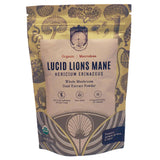
Lucid Lion’s Mane is our top pick for purity, potency, and daily support.
Lion’s mane is a powerful functional mushroom that may help ease brain fog, mood swings, and sleep issues during menopause, naturally and gently.
Table of contents
How Menopause Impacts Brain Health and Mood
Menopause is not just a hormonal shift, it’s a neurological one. Estrogen, a key reproductive hormone, also plays a crucial role in brain health. It supports neurotransmitters like dopamine, serotonin, and acetylcholine — all of which influence mood, memory, and cognition.
As estrogen levels decline during perimenopause and menopause, many women report a constellation of mental and emotional changes:
Common Neurological Symptoms of Menopause
- Brain fog and difficulty concentrating
Memory lapses or word-finding issues
Mood swings, irritability, and increased sensitivity
Anxiety and low motivation
Sleep disturbances, which further affect cognition
These symptoms are often under-acknowledged but widely experienced. According to Kravitz et al., 2003, sleep disruption and psychological distress affect a significant percentage of midlife women — and these challenges often intensify during the transition through menopause.
The brain’s response to hormonal change is complex, but it’s not permanent. With the right support, including nutrition, sleep, lifestyle, and adaptogens, many of these symptoms can be softened or reversed over time.

Lion’s Mane for Cognitive Clarity
NGF and Neurogenesis: Why It Matters
Lion’s mane mushroom (Hericium erinaceus) contains two unique bioactive compounds: hericenones and erinacines, that stimulate nerve growth factor (NGF), a protein vital to brain repair and regeneration.
NGF helps maintain healthy neurons and supports the growth of new ones. It’s especially important in brain regions like the hippocampus, which controls memory and learning. During menopause, when estrogen levels drop and neurological symptoms increase, NGF support becomes more relevant than ever.
What the Science Says:
NGF is essential for memory, learning, and plasticity.
Low NGF levels are linked to cognitive decline and memory issues.
Lion’s mane enhances NGF synthesis, particularly in brain areas affected by aging and hormonal changes.
These findings suggest that lion’s mane may help counteract the “brain fog” and mental fatigue many women experience during menopause.
Want to go deeper on how nerve growth factor works in the brain?
Clinical Studies on Cognitive Function
Lion’s mane isn’t just folklore, it’s backed by peer-reviewed research. One of the most cited studies comes from Japan, where researchers conducted a 12-week, placebo-controlled trial on older adults experiencing mild cognitive impairment.
Participants who took lion’s mane extract daily showed significant improvements on key cognitive tests:
Mini-Mental State Examination (MMSE)
Visual Retention Testing
Verbal Paired-Associate Learning Tasks
The placebo group showed no such improvement.
Researchers attributed these results to lion’s mane’s unique impact on NGF and neural regeneration, concluding:
“Oral intake of Hericium erinaceus is a safe and convenient method for supporting cognitive function.”
— Mori et al., 2009
Additional Supportive Findings:
-
A ScienceDirect review identified erinacines A, B, and C as strong NGF inducers, enhancing brain plasticity and function.
Animal studies further confirm lion’s mane’s ability to promote nerve regeneration and protect against neurodegeneration.
Together, these findings support lion’s mane as a science-backed cognitive ally, especially during midlife transitions like menopause, when neurological symptoms often intensify.
Curious how lion’s mane helps memory?
Lion’s Mane for Mood, Sleep & Emotional Balance
Menopause isn’t just a physical shift; it can feel like an emotional upheaval. Mood swings, anxiety, and disrupted sleep are among the most frustrating symptoms women report. These are not just “in your head”; they’re the result of real neurochemical changes tied to hormonal decline.
Lion’s mane for menopause may offer gentle support for emotional balance, thanks to its effects on dopamine regulation, anxiety reduction, and sleep improvement.
Dopamine Support and Depression Reduction
Lion’s mane contains erinacines — compounds that cross the blood-brain barrier and influence dopamine receptors. Dopamine is critical for mood, motivation, and emotional resilience.
In a 2010 study, 30 menopausal women consumed lion’s mane daily for four weeks. The results?
Reduced depression and anxiety scores
Improved emotional regulation
Enhanced sense of wellbeing
Researchers noted this improvement may be independent of NGF stimulation, suggesting multiple mechanisms of action in the brain.
“Hericium erinaceus intake has the possibility to reduce depression and anxiety… suggesting a different mechanism from its NGF-enhancing action.”⏤Nagano et al., 2010
Support for Sleep and Quality of Life
Sleep disturbance affects up to 60% of perimenopausal women, worsening as hormone levels fluctuate. Poor sleep fuels a vicious cycle: more stress, lower resilience, and heightened sensitivity to mood changes.
Lion’s mane may help break that cycle by supporting:
Restorative sleep patterns
Lower nighttime anxiety
Increased daytime energy and resilience
While more studies are needed, early research and anecdotal reports suggest lion’s mane may be a helpful tool for nervous system regulation and emotional grounding.

Lion’s Mane: A Functional Fit for Midlife Women
Midlife isn’t just about managing symptoms; it’s about supporting long-term brain health, emotional steadiness, and daily resilience. Lion’s mane mushroom checks all the right boxes for women seeking gentle, sustainable support without harsh side effects.
Its benefits map directly to common menopausal challenges:
Mental fog → NGF-supported clarity
Mood swings → Dopamine regulation
Sleep disruption → Nervous system support
Aging concerns → Neuroprotective regeneration
Lion’s mane doesn’t replace hormones. But for many women, it enhances the body’s capacity to adapt; offering brain-forward nourishment for the next chapter.
Is Lion’s Mane Safe for Long-Term Use?
Lion’s mane has been used for centuries in Traditional Chinese Medicine and is generally well tolerated. Modern studies show:
No significant adverse effects in short- or long-term human trials
Safe daily dosing when using high-quality extracts
As always, anyone pregnant, nursing, or taking medication should consult a qualified practitioner.
Choosing a High-Quality Lion’s Mane Supplement
Not all lion’s mane supplements are created equal. Especially when it comes to menopause support.
To get meaningful brain and mood benefits, you need a lion’s mane product that delivers active compounds like hericenones and erinacines. These are what stimulate NGF and support neuroplasticity. Many low-grade products contain little to none.
Here’s what to look for:
-
100% mushroom extracts (not mycelium on grain)
Most studies showing brain benefits used concentrated extracts. Many commercial products cut corners with starch-heavy mycelium or use a non-extract powder.
-
Dual-extracted for full potency
The active compounds are both water- and alcohol-soluble. Dual extraction ensures you’re getting the full spectrum of nootropic compounds.
-
Transparent sourcing + no fillers
Avoid blends that don’t list extraction method, dose, or ingredients clearly.
Want a deeper breakdown?
👉 Read: How to Choose the Best Lion’s Mane Powder Supplement
We designed Lucid Lion’s Mane with all this in mind — precision dual-extraction, intentional mycelium extracts for high concentrations of erinacines, and zero grain fillers. It’s what we take ourselves, and what we recommend for brain, mood, and midlife support.
More Mushroom Allies for Menopause
Lion’s mane may be a leading ally for brain health, but it’s far from the only mushroom worth considering during menopause.
At Hamilton’s, we believe in stacking support: combining mushrooms with complementary benefits to create a more complete wellness foundation.
Here are a few worth knowing:
-
Reishi – A calming adaptogen traditionally used for sleep, stress, and emotional regulation. Especially helpful for nighttime restlessness or hormonal anxiety.
-
Cordyceps – Known for energy support, endurance, and hormonal balance. Many women find it helpful for motivation and vitality during early menopause.
Every woman’s needs are different and these mushrooms offer a spectrum of support options for this important life stage.
Conclusion: Supporting Midlife Vitality Naturally
Menopause isn’t the end of vitality — it’s the beginning of a new chapter. One that deserves clarity, energy, and emotional balance.
Lion’s mane mushroom offers science-backed support for the mind and mood. From enhancing memory and focus to gently easing stress and supporting deeper rest, it’s a powerful natural ally for this transition.
If you’re curious about exploring lion’s mane, we encourage you to start with a high-quality extract — like Lucid Lion’s Mane, made with 100% fruiting body and dual-extracted for maximum potency.
And don’t stop here.
Your brain deserves ongoing nourishment. Check out these related articles to go deeper:
Stay curious. Stay nourished.
You’ve got this.
Frequently Asked Questions
Is lion’s mane mushroom good for menopause?
Yes. Lion’s mane may support brain health, memory, mood balance, and sleep during menopause. While it doesn’t influence hormone levels directly, its ability to stimulate Nerve Growth Factor (NGF) may help counteract the neurological symptoms many women experience during this transition.
What does lion’s mane do to hormones?
Lion’s mane is not a hormone and does not act like estrogen. Instead, it supports the nervous system and brain function. It works by promoting neurogenesis and regulating dopamine, which may help ease mood swings, brain fog, and sleep issues: all of which are often linked to hormonal changes.
What do the Japanese use for menopause?
Japanese culture traditionally emphasizes dietary and lifestyle interventions for menopause. Soy-based foods, seaweed, and medicinal mushrooms (including Hericium erinaceus (lion’s mane)) are part of many wellness practices. A Japanese clinical trial even found that lion’s mane improved mood and reduced depression in menopausal women.
What is the best mushroom for menopause?
It depends on your needs. Lion’s mane is ideal for brain fog, mood support, and sleep. Reishi is often used for hormonal balance and stress relief, while Cordyceps may support energy and libido. Many women benefit from stacking them together. See our Reishi for Menopause and Cordyceps for Menopause blogs to learn more.
How long does lion’s mane take to work?
Most people notice subtle benefits (like clearer thinking or improved mood) within 2–4 weeks of daily use. Clinical trials typically measure changes at 4 to 12 weeks. Consistency matters, especially for nervous system support.
Is lion’s mane safe to take every day?
Yes. Human trials have shown lion’s mane to be well-tolerated with no major adverse effects reported. Look for pure dual-extracted extracts, avoid unnecessary fillers, and talk to your healthcare provider before starting any new supplement.

Hamilton Pevec
Hamilton believes that effective, affordable medicine is a fundamental right. Healing should never be hindered by cost. Driven by this belief, Hamilton left his career to dedicate his life to mushrooms. His journey is one of lifelong learning—mastering mushroom identification, cultivation, and understanding the profound physiological benefits of these natural “chemical factories.” Hamilton’s Mushrooms is dedicated to making pure, potent, science-backed mushroom extracts accessible to all.
Bibliography
Mori, K., Inatomi, S., Ouchi, K., Azumi, Y., Tuchida, T. (2009). Improvement of cognitive functions by oral intake of Hericium erinaceus. Phytotherapy Research, 23(3), 367–372.
Nagano, M., Shimizu, K., Kondo, R., Hayashi, C., Sato, D., Kitagawa, K., Ohnuki, K. (2010). Reduction of depression and anxiety by 4 weeks Hericium erinaceus intake. Biomedical Research, 31(4), 231–237.
Kawagishi, H., Ando, M., Sakamoto, H., Yoshida, S., Ojima, F., Ishiguro, Y., Ukai, N. (1991). Erinacines A, B and C, strong stimulators of nerve growth factor (NGF)-synthesis, from the mycelia of Hericium erinaceum. Tetrahedron Letters, 32(35), 4561–4564.
Zhang, Z., Lv, G., Pan, H., Pandey, A., He, W., Fan, L. (2021). Hericium erinaceus (Lion’s Mane Mushroom) and its Active Compounds Promote Neurogenesis and Alleviate Depression. Journal of Ethnopharmacology, 265, 113309.


FDA Disclaimer
These statements have not been evaluated by the Food and Drug Administration. This product is not intended to diagnose, treat, cure, or prevent any disease. This article is for informational purposes only and does not constitute medical advice. Always consult a qualified healthcare provider before making changes to your supplement routine.